After the Curtain: The Quiet Season That Shapes Small-Town Artists for Life
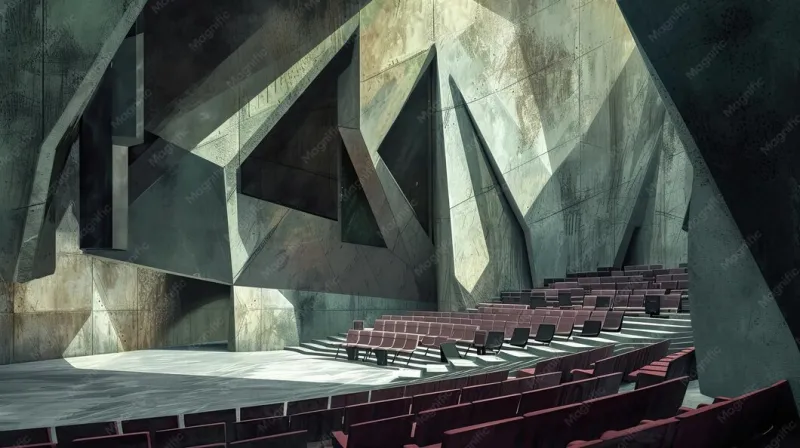
Photo: empty community theater stage with painted backdrop and stacked folding chairs, via img.freepik.com
Every August, in gymnasiums and converted grange halls across the country, the same small heartbreak repeats itself. The final performance ends. The folding chairs are stacked. The painted backdrop — a beach, a city skyline, a forest rendered in poster paint — is rolled up and shoved behind the boiler until next year. And a few dozen kids, suddenly unemployed dreamers, go home to a house where nothing is rehearsed and no one calls them by their character's name.
We celebrate the performance. We should be studying the aftermath.
The Strange Silence After Applause
Anyone who has done community theater knows the withdrawal. For weeks, the cast has lived inside a structure of purpose: cue calls, costume fittings, the particular intimacy of people who have seen each other fail in front of an audience and recover. Then it stops, all at once, and the town's ordinary rhythms resume as if the play had never happened.
That silence is not a footnote to the experience. It is the experience. Learning to grieve a finished thing — without cynicism, without immediately replacing it — may be the most valuable lesson American culture teaches its young people, and almost nowhere teaches it as thoroughly as small-town summer theater.
What Happens Thirty Years Later
I went looking for the cast of a 1989 production of Our Town mounted in a Wisconsin town of fewer than three thousand people. The Stage Manager that summer was played by a sixteen-year-old named Dale, who today runs a hospice chaplaincy in Ohio. He told me, without irony, that the play taught him how to stand in front of grief and speak plainly. The girl who played Emily teaches middle-school science in Phoenix and still keeps the program in her desk drawer. The kid who ran lights — never once seen onstage — became a city planner who describes zoning meetings in theatrical terms: "You learn to read the room, and you learn the show must serve the town, not the other way around."
Not one of them became a professional actor. All of them became, in some working sense, artists: people who arrange reality on purpose, for the benefit of others, without expecting applause.
In Defense of the Small Stage
There is a fashionable argument that community theater is a charming relic, a farm system for bigger things or a hobby for the unambitious. Both conclusions miss the point. The small stage is not preparation for culture; it is culture — the place where a town rehearses its own empathy in public. Our Town works in a gymnasium precisely because Grover's Corners is every gymnasium town.
And the afterglow matters as much as the performance. The weeks after closing night, when the sets are struck and the group chat goes quiet, are when the lessons consolidate. The kids learn that creative community is not a permanent condition but a thing you must choose to rebuild, summer after summer, year after year. Many of them do. Ask any community theater director where the adult volunteers come from, and the answer is nearly universal: they were theater kids, and they never stopped showing up.
Bring Back the Boiler Room Backdrop
If your town's summer program is struggling, fund it — not for the production, but for the decade that follows. The performance lasts two hours. The person it builds lasts fifty years. Somewhere behind a boiler right now, a painted beach is waiting for its next cast, and so is the quiet season that will quietly make them.