Wooden Breath: Inside the Marionette Houses Where Strings Still Do the Talking
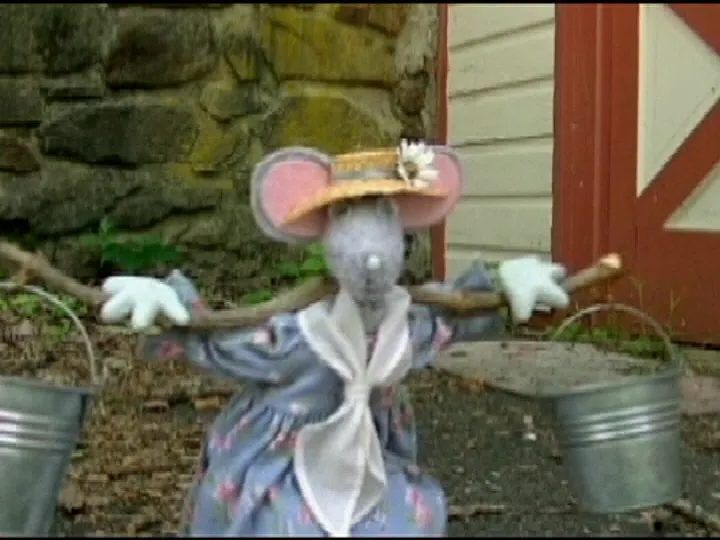
Photo: Sydney Delle Donne, CC BY-SA 4.0, via Wikimedia Commons
There is a moment, about four minutes into any good marionette performance, when the audience stops watching the strings.
Puppeteers call it the transfer. The mind, presented with enough convincing motion, quietly hands over its disbelief to the figure on stage. The carved face becomes a face. The stumble becomes a walk. A fifteen-inch wooden actor, jointed at the knee and shoulder, becomes — for the length of a scene — a person.
It is a small miracle, and it is becoming a rare one. The marionette and ventriloquist theaters that once dotted the American landscape, from vaudeville circuits to county fairgrounds to dedicated storefront houses, have dwindled to a handful of stubborn outposts. The question their caretakers ask is not whether the art form will survive, but whether it deserves to — and their answer, delivered nightly from behind a curtain, is an emphatic yes.
A House Built by Hand and Habit
Los Angeles remains the art form's most famous American address. The theater founded by Bob Baker, who built his first figures as a teenager during the Depression and spent eight decades pulling strings above the city, became a rite of childhood passage for generations of Angelenos. Its survival after Baker's death in 2014 — through volunteer stewardship, community fundraising, and a devoted corps of trained puppeteers — demonstrated something important: a puppet theater is not really a business. It is a trust, passed along like a recipe.
That trust looks different in smaller places. In the Midwest, one-room family operations persist with the quiet tenacity of heirloom tomatoes: a garage converted to a forty-seat house, a workshop that doubles as a kitchen table, figures carved by a grandfather whose grandchildren now operate them. There is no marquee. There is a hand-painted sign, a Saturday matinee, and a body of knowledge — how to weight a foot so it lands with authority, how to make a puppet pause before speaking — that exists nowhere in writing.
Why the Strings Went Slack
The economics are unforgiving. A single well-made marionette can take weeks to carve, joint, costume, and string. Rehearsal is measured in months. Revenue is measured in ticket prices that must remain low enough for a family of four to attend. Meanwhile, the entertainment landscape offers children spectacle at a scale no wooden figure can match.
But practitioners argue the diagnosis is wrong. The puppet theater was never competing on spectacle. It competed on intimacy — the strange, focused attention of watching a human hand give life to an object in the same room as you. That attention, they note, has become the scarcest resource in American childhood. A puppet show does not ask for a screen's passive surrender. It asks for the ancient contract of theater: sit still, and I will show you something impossible.
The Transfer, Still Possible
Skeptics should sit in the back row of one of these houses during a Saturday show. Phones come out; phones go back in pockets. A duck with a limp gets laughs. A skeleton dance gets gasps. And when the figure takes its bow — the puppeteer's hands rising from below the stage, visible for the first time — children experience a revelation that no animation pipeline can manufacture: the magic was a person all along.
That, perhaps, is the deepest argument for the form's survival. In an era of synthetic everything, the marionette theater insists on showing its seams. It is transparency disguised as enchantment — labor made visible, craft made flesh. The families who keep the curtains open are not nostalgic. They are making a claim about what children need: to see, once and often, that wonder is something human beings make with their hands.
The lights dim. The strings hum. Somewhere above the stage, a wrist moves, and a wooden man begins to breathe.